
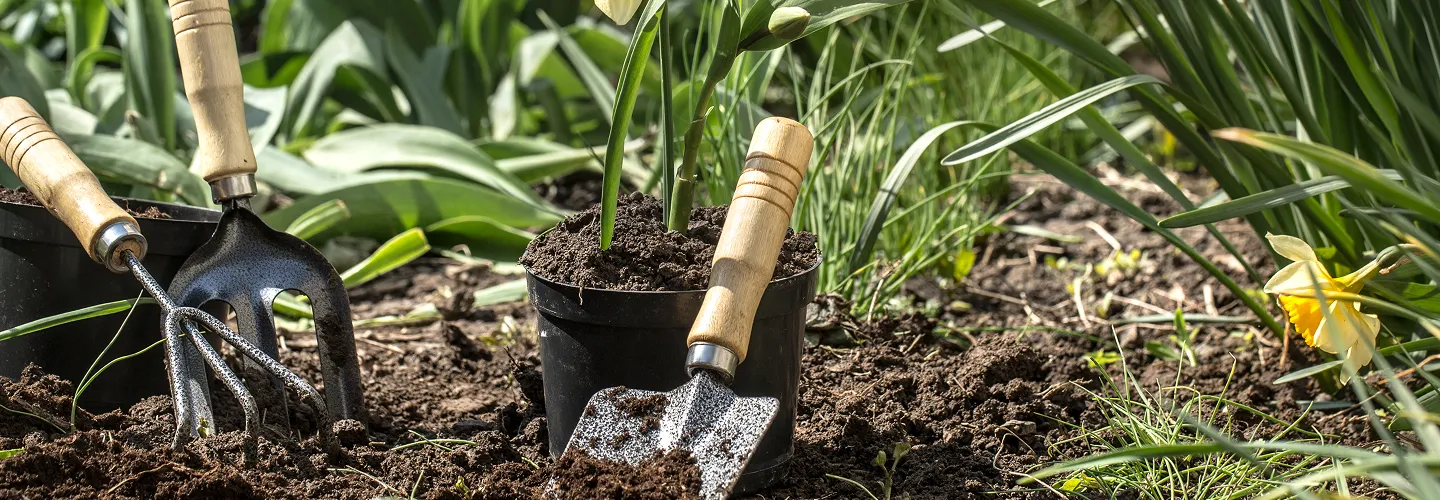
Hogansville Flower Planting Services
Choose our flower planting services for vibrant, healthy blooms that enhance your curb appeal and bring lasting beauty to your landscape—crafted by local experts who care about your satisfaction.
Get a Free QuoteOur Hogansville Landscaping & Yard Care Services
When to Schedule Flower Planting in Hogansville, Georgia – Seasonal Guide
Flower planting in Hogansville, Georgia, is best scheduled with careful attention to our region’s unique climate and landscape. The optimal planting windows typically fall in early spring, after the last frost date, and again in early fall when temperatures begin to cool. Neighborhoods near Lake Jimmy Jackson and the shaded streets of Callaway Road often experience microclimates that can affect planting times, so it’s important to consider your specific location. Hogansville’s soil tends to be a mix of clay and loam, which retains moisture but can become compacted, making soil preparation a key step for successful blooms.
Local environmental factors such as late spring frosts, summer drought risk, and high humidity levels all play a role in determining the best time for flower planting. Areas with dense tree coverage, like those near Hogansville Elementary, may require shade-tolerant varieties and careful timing to avoid excessive leaf drop. For more detailed guidance on local planting schedules and municipal guidelines, you can consult resources like the Sudbury town website.
Local Factors to Consider for Flower Planting in Hogansville
- Proximity to mature trees and shade coverage
- Soil composition (clay, loam, or sandy patches)
- Average precipitation and risk of summer drought
- Frost dates and seasonal temperature swings
- Terrain slope and drainage patterns
- Municipal restrictions or neighborhood association guidelines
Benefits of Flower Planting in Hogansville
Expert Local Knowledge
Customized Landscape Designs
Seasonal Plant Selection
Enhanced Curb Appeal
Eco-Friendly Practices
Reliable Maintenance Services
Hogansville Flower Planting Types

Annual Flower Planting
-
Perennial Flower Beds
-
Native Wildflower Gardens
-
Seasonal Color Rotations
-
Pollinator-Friendly Plantings
-
Shade Garden Flowers
-
Drought-Tolerant Flower Beds
Our Flower Planting Process
Site Evaluation
Soil Preparation
Flower Selection
Planting
Watering and Mulching
Why Choose Hogansville Landscape Services
-
Hogansville Homeowners Trust Us
-
Expert Lawn Maintenance
-
Reliable Scheduling
-
Competitive Pricing
-
Professional Team
-
Satisfaction Guarantee
-
Personalized Service
Piedmont Red Clay Soils and Bed Preparation for Flower Planting in Hogansville
Hogansville sits within Georgia's Piedmont physiographic region, where Cecil and Madison soil series predominate. These soils are characterized by heavy red clay subsoils, acidic pH levels typically ranging from 5.0 to 6.0, and poor internal drainage when compacted. Before installing flower beds, property owners should address these conditions through targeted soil amendment. Key preparation steps include:
- Soil testing through the UGA Cooperative Extension Troup County office to determine pH, phosphorus, and potassium levels before adding lime or fertilizer
- Incorporating 3–4 inches of composted organic matter into the top 8–10 inches of clay soil to improve drainage, aeration, and root penetration
- Adjusting pH with agricultural lime if test results indicate levels below 5.5, as most annual and perennial flowers perform best between 6.0 and 6.5
- Avoiding tilling saturated clay, which creates hardpan layers that restrict root growth and trap water
Residents can verify their specific soil series using the USDA Web Soil Survey. Hogansville's USDA Hardiness Zone is 8a, with average annual minimum temperatures between 10°F and 15°F, which influences both plant selection and planting timing.
Optimal Flower Planting Windows for Hogansville's Extended Growing Season
Hogansville's long warm season—typically stretching from mid-March through early November—provides multiple planting windows for both cool-season and warm-season flowers. Timing installations correctly reduces transplant shock and improves establishment rates. The National Weather Service Peachtree City forecast office provides localized frost date guidance for western Georgia. Recommended planting windows include:
- Cool-season annuals (pansies, violas, snapdragons, dianthus): Install from mid-October through November for fall/winter color, or from late February through mid-March for spring displays. These species tolerate light frost and perform well when nighttime temperatures remain between 25°F and 50°F.
- Warm-season annuals (zinnias, lantana, pentas, begonias): Plant after the last average frost date, typically around mid-March to early April. Soil temperatures should reach at least 60°F at a 4-inch depth before transplanting.
- Perennials (coneflower, black-eyed Susan, salvia, daylily): Fall planting between September and October allows root establishment before winter dormancy. Spring planting from March through April is also effective.
Avoid planting during peak summer heat in July and August unless supplemental irrigation is available, as transplant stress increases significantly when daytime temperatures exceed 90°F consistently.
How Hogansville's Stormwater Drainage Patterns Affect Flower Bed Placement
Flower bed installation near drainage infrastructure requires attention to stormwater flow and runoff management. Hogansville's terrain includes gentle Piedmont slopes that direct surface water toward Yellow Jacket Creek, Rum Creek, and their tributaries. Improperly placed beds, excess mulch, or displaced soil can obstruct drainage swales, clog storm inlets, or introduce sediment and nutrients into local waterways. The Georgia EPD Watershed Protection Branch oversees water quality standards that apply to sediment and nutrient discharge statewide. Property owners should observe the following precautions:
- Do not place flower beds directly over or adjacent to stormwater inlets, catch basins, or drainage easements
- Install mulch no deeper than 2–3 inches and use edging to prevent mulch migration into drainage channels during heavy rain events
- Avoid applying granular fertilizer within 10 feet of ditches, creeks, or storm drains to reduce nutrient loading
- Grade beds to direct runoff away from impervious surfaces and toward permeable lawn or vegetated buffer areas
Residents with properties adjacent to creek corridors or within identified floodplain areas should verify setback and buffer requirements with the City of Hogansville Planning and Zoning office before installing raised beds or modifying grading.
City of Hogansville Planning and Zoning
200 E Main Street, Hogansville, GA 30230
Phone: (706) 637-8629
Official Website: City of Hogansville Planning and Zoning
Selecting Heat-Tolerant and Deer-Resistant Flower Species for Hogansville Landscapes
Plant selection in Hogansville must account for the region's sustained summer heat, high humidity, acidic Piedmont soils, and moderate deer pressure from adjacent wooded corridors and rural edges. The UGA Cooperative Extension publishes regionally tested plant lists that help property owners choose species suited to Zone 8a conditions. Recommended flower categories include:
- Heat- and humidity-tolerant annuals: Lantana, pentas, angelonia, vinca (Catharanthus roseus), and celosia thrive in full sun with minimal supplemental watering once established
- Deer-resistant perennials: Salvia, lavender, Russian sage, coreopsis, and yarrow are generally avoided by deer and perform well in Hogansville's clay-amended beds
- Shade-tolerant options for properties with mature hardwood canopy: Impatiens (in sheltered locations), caladiums, hostas, and heuchera tolerate partial to full shade
- Native pollinator species: Purple coneflower (Echinacea purpurea), bee balm (Monarda), and butterfly weed (Asclepias tuberosa) support local pollinator populations and are well adapted to Georgia Piedmont conditions
Avoid invasive ornamental species identified by UGA Extension's Invasive Species program, including Chinese privet and Japanese honeysuckle, which can escape cultivated beds and colonize adjacent natural areas.
Coordinating Flower Bed Projects with Hogansville Code Enforcement and Utilities
Flower planting projects that involve grading changes, raised bed construction, or frontage modifications may intersect with municipal code requirements. Hogansville Code Enforcement addresses property maintenance standards including vegetation height, sight-line clearances at intersections, and right-of-way encroachment. Before beginning bed installation along sidewalks, street frontages, or property boundaries, residents should consider the following:
- Sight-triangle compliance: Flower plantings at corner lots must not obstruct driver visibility. Plantings within sight triangles should generally remain below 30 inches in height.
- Right-of-way boundaries: Beds placed between the sidewalk and curb or within utility easements may be subject to removal if they interfere with municipal maintenance or utility access. Contact City of Hogansville Utilities to confirm easement locations before excavating.
- Raised bed structures: Permanent masonry or timber raised beds may require review through the city's building permits process, particularly if they alter drainage or exceed certain height thresholds.
Property owners should call 811 (Georgia Utilities Protection Center) at least two business days before any digging to have underground utility lines marked at no cost.
Hogansville Code Enforcement
200 E Main Street, Hogansville, GA 30230
Phone: (706) 637-8629
Official Website: Hogansville Code Enforcement
What Neighborhoods Do We Serve Throughout Hogansville, GA?
- Downtown Hogansville / East Main Street Corridor: Historic properties with mature shade trees, compacted clay soils, and smaller lot sizes. Flower bed installations often require shade-tolerant species and careful coordination with sidewalk frontage and sight-line requirements along Main Street.
- Royal Oaks: A residential subdivision with open-sun lots and newer construction. Clay fill soils from grading may require additional organic amendment before planting. HOA standards may influence plant selection and bed placement along front-facing areas.
- Poplar Street / West Hogansville: Older residential lots with established hardwood canopy and variable drainage. Properties near low-lying areas may experience seasonal wet conditions that favor moisture-tolerant perennials over drought-adapted species.
- Highway 29 Corridor Properties: Commercial and residential parcels along this corridor face higher visibility expectations and potential right-of-way constraints. Flower beds near road frontage must maintain sight-line clearances and avoid encroaching on Troup County or GDOT maintained shoulders.
- Rum Creek and Yellow Jacket Creek Adjacent Properties: Lots bordering these waterways require attention to buffer zones, erosion prevention, and fertilizer setbacks. Native plantings and rain garden species are particularly appropriate for these locations.
- Green Street / North Hogansville Residential Areas: Mixed-age housing with moderate lot sizes and partial canopy cover. Red clay compaction is common, and soil testing is strongly recommended before establishing new flower beds in previously unplanted areas.
City of Hogansville Parks and Recreation
200 E Main Street, Hogansville, GA 30230
Phone: (706) 637-8629
Official Website: City of Hogansville Parks and Recreation