
Hogansville Lawn Mowing Services
Choose our lawn mowing service for reliable, professional results that keep your yard looking its best all season long. Our experienced team uses top-quality equipment and attention to detail to ensure your lawn is healthy, beautiful, and the envy of the neighborhood.
Get a Free QuoteOur Hogansville Landscaping & Yard Care Services
When to Schedule Lawn Mowing in Hogansville, Georgia – Seasonal Guide
In Hogansville, Georgia, the best times to schedule lawn mowing are closely tied to our region’s unique climate and landscape. With warm, humid summers and mild winters, the primary mowing season typically runs from late March through early November. Early spring mowing should begin after the last frost date—usually in mid-March—when grass starts to green up in neighborhoods like Callaway Estates and around the Hogansville Historic District. During the peak of summer, increased humidity and occasional drought conditions can slow grass growth, so adjusting mowing frequency is essential to avoid stressing your lawn.
Local environmental factors such as the clay-heavy soils common in the Pine Street area, dense shade from mature oaks in Lake Jimmy Jackson Park, and municipal watering restrictions all play a role in determining the optimal mowing schedule. Homeowners should also be mindful of precipitation patterns, as heavy rains can lead to rapid growth, while dry spells may require less frequent mowing. For more information on local regulations and best practices, visit the official city resource.
Local Factors to Consider for Lawn Mowing in Hogansville
- Tree density and shade coverage (e.g., mature trees in Lake Jimmy Jackson Park)
- Soil type, especially clay-rich soils in certain neighborhoods
- Seasonal precipitation and drought risk
- Frost dates marking the start and end of the mowing season
- Terrain variations, including slopes and low-lying areas
- Municipal watering and mowing restrictions
Benefits of Lawn Mowing in Hogansville
Professional Lawn Care Expertise
Consistent and Reliable Scheduling
Enhanced Curb Appeal
Time and Effort Savings
Healthier, Greener Lawns
Locally Trusted Landscaping Team
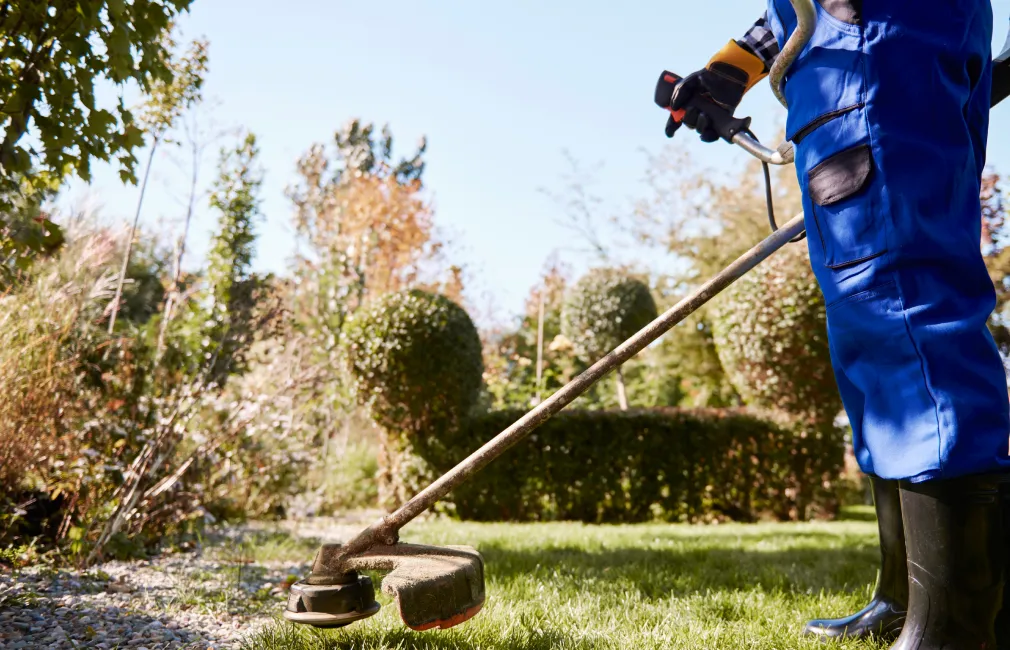
Hogansville Lawn Mowing Types

Residential Lawn Mowing
-
Commercial Lawn Mowing
-
Zero-Turn Mowing
-
Push Mower Services
-
Riding Mower Services
-
Trimming and Edging
-
Seasonal Lawn Maintenance
Our Lawn Mowing Process
Site Evaluation
Lawn Preparation
Professional Mowing
Edging and Trimming
Cleanup
Why Choose Hogansville Landscape Services
-
Hogansville Homeowners Trust Us
-
Expert Lawn Maintenance
-
Reliable Scheduling
-
Competitive Pricing
-
Professional Team
-
Satisfaction Guarantee
-
Personalized Service
Hogansville's Piedmont Red Clay Soils and Their Impact on Mowing Height and Frequency
Hogansville sits within Georgia's western Piedmont region in Troup County, where the predominant soils belong to the Cecil and Madison series—well-drained but heavy red clay Ultisols with a characteristically acidic pH ranging from 4.5 to 6.0. These soils fall within USDA Hardiness Zone 8a, supporting warm-season turf grasses such as bermudagrass, zoysiagrass, and centipedegrass. The clay composition directly affects mowing practices in several important ways:
- Compaction after rain: Piedmont clay holds moisture and compacts easily, meaning mowing on saturated ground creates ruts and damages turf crowns. Allow at least 24–48 hours of drying after significant rainfall before mowing.
- Mowing height: The UGA Cooperative Extension recommends maintaining bermudagrass at 1–2 inches, zoysiagrass at 1–2 inches, and centipedegrass at 1.5–2.5 inches. Cutting below these thresholds on compacted clay exposes shallow root systems to heat stress.
- Clipping management: On clay soils with poor infiltration, heavy clipping mats can smother turf and impede water absorption. Mulch-mowing at proper intervals prevents excessive buildup.
Property owners can verify their specific soil series using the USDA Web Soil Survey by entering their Hogansville address.
Optimal Mowing Intervals for Hogansville's Extended Warm-Season Growth Period
Hogansville's growing season typically extends from mid-April through late October, with peak turf growth occurring from May through September when daytime temperatures regularly exceed 85°F. The National Weather Service Peachtree City office, which covers Troup County, reports average annual rainfall of approximately 50–54 inches, with heaviest precipitation in March, July, and December. This combination of heat, humidity, and rainfall drives aggressive warm-season turf growth that demands consistent mowing schedules:
- Peak season (May–September): Mow every 5–7 days for bermudagrass and every 7–10 days for centipedegrass and zoysiagrass. Never remove more than one-third of the grass blade height in a single mowing.
- Shoulder season (April and October): Reduce frequency to every 10–14 days as growth slows with shorter days and cooler soil temperatures.
- Dormant season (November–March): Mowing is generally unnecessary, though occasional passes may be needed to manage cool-season weeds such as annual bluegrass or henbit.
Adjusting mowing frequency based on actual growth rate—rather than a fixed calendar schedule—prevents scalping, reduces thatch accumulation, and supports healthier root development in Hogansville's clay-heavy soils.
Managing Grass Clippings Near Hogansville's Storm Drains and Yellowjacket Creek Corridor
Hogansville's municipal stormwater infrastructure drains into Yellowjacket Creek and its tributaries, which flow through the heart of the city before joining the broader Chattahoochee River watershed. Grass clippings, leaf debris, and organic matter that enter storm drains contribute to nutrient loading, algae growth, and degraded water quality downstream. The Georgia EPD Watershed Protection Branch oversees water quality standards that apply to these receiving waters, and responsible mowing practices play a direct role in local compliance.
Residents and mowing operators should observe the following practices:
- Direct discharge away from drains: Always orient mower discharge toward the interior of the lawn, not toward streets, curbs, gutters, or storm inlets.
- Sweep or blow back clippings: Any clippings deposited on sidewalks, driveways, or roadways should be swept or blown back onto the turf immediately after mowing.
- Buffer awareness: Properties adjacent to Yellowjacket Creek or its feeder ditches should maintain a vegetated buffer strip and avoid mowing to the water's edge. A minimum 25-foot unmowed buffer is a widely recommended best practice for stream protection.
- Bag clippings near waterways: When mowing within close proximity to open drainage channels or creek banks, bagging clippings prevents direct organic matter input into the waterway.
For questions about stormwater management within city limits, contact Hogansville's municipal utilities department.
City of Hogansville Utilities
200 E Main Street, Hogansville, GA 30230
Phone: (706) 637-8629
Official Website: City of Hogansville Utilities
How Hogansville Code Enforcement Addresses Overgrown Lots and Nuisance Vegetation
The City of Hogansville maintains code enforcement standards that address overgrown vegetation, unmaintained lots, and nuisance conditions on residential and commercial properties. Property owners who allow grass and weeds to exceed locally established height thresholds may receive a notice of violation and face municipal action, including city-ordered mowing with costs assessed to the property owner. Hogansville's code enforcement office monitors compliance throughout the growing season, with heightened activity during the peak months of May through September when rapid growth can quickly bring properties out of compliance.
Key points for property owners and managers:
- Maintain regular mowing schedules to avoid code violations, particularly on vacant lots, rental properties, and properties with absentee owners.
- Frontage and right-of-way areas along city streets must be kept mowed and clear of obstructive vegetation to maintain sightlines for pedestrian and vehicular safety.
- Verify current height limits and enforcement procedures directly with the city, as thresholds and penalty structures may be updated periodically.
- Respond promptly to notices: Failure to remediate after notification may result in the city contracting mowing services and placing a lien on the property for recovery of costs.
Hogansville Code Enforcement
200 E Main Street, Hogansville, GA 30230
Phone: (706) 637-8629
Official Website: Hogansville Code Enforcement
Equipment Safety and Noise Considerations for Residential Mowing in Hogansville
Hogansville's residential neighborhoods include a mix of older in-town lots with narrow setbacks and newer subdivisions with varied terrain. Professional and residential mowing operations must account for safety and neighborhood impact, particularly in areas with pedestrian traffic, parked vehicles, and proximity to neighboring structures. The City of Hogansville Police Department may respond to noise complaints or safety concerns related to lawn equipment operation.
Operators should observe the following standards:
- Operating hours: Limit power equipment use to reasonable daytime hours—generally between 8:00 AM and 8:00 PM on weekdays and 9:00 AM and 6:00 PM on weekends. Verify any locally adopted noise ordinance provisions with the city.
- Debris discharge: Always inspect the mowing area for rocks, sticks, and debris before starting. Rotary mower blades can propel objects at speeds exceeding 200 mph, posing serious injury risk to bystanders and property damage to vehicles and windows.
- Roadway and sidewalk visibility: When mowing along public rights-of-way or near intersections, do not allow clippings, equipment, or trailers to obstruct sightlines for motorists or pedestrians.
- Slope safety: Hogansville's Piedmont terrain includes moderate slopes. Mow across slopes rather than up and down to reduce rollover risk with riding equipment.
- PPE: Eye protection, hearing protection, and closed-toe footwear are minimum personal protective equipment standards for all mowing operations.
What Neighborhoods Do We Serve Throughout Hogansville, GA?
- Downtown Hogansville / East Main Street Corridor: This historic core features older residential lots with mature hardwood canopy, narrow frontages, and compacted clay soils. Mowing requires careful navigation around established trees, root flares, and uneven terrain. Properties here may fall under additional municipal review for changes affecting the streetscape.
- Royal Oaks / West Hogansville: Residential areas west of downtown include a mix of mid-century and newer homes on moderately sized lots. Red clay compaction and periodic drainage issues along low-lying sections require attention to mowing timing after rain events.
- Green Street and Pine Street Neighborhoods: These in-town residential streets feature smaller lots with limited equipment access. Tight spacing between structures demands walk-behind mower use and careful clipping management to avoid depositing material on neighboring properties or into street gutters.
- Highway 29 Corridor Properties: Commercial and residential parcels along this corridor require heightened safety awareness due to traffic volume. Right-of-way mowing must maintain clear sightlines at driveways and intersections, and equipment staging should not obstruct travel lanes.
- Hogansville Parks and Adjacent Residential Areas: Properties bordering City of Hogansville Parks and Recreation facilities, including areas near Yellowjacket Creek, should maintain vegetated buffers and avoid directing clippings toward park drainage infrastructure or creek channels.
- Troup County Residential Areas Near City Limits: Properties on the outskirts of Hogansville's municipal boundary may fall under Troup County jurisdiction for road maintenance and right-of-way standards. Contact Troup County Roads and Engineering to confirm responsibility for roadside mowing and drainage ditch maintenance adjacent to county-maintained roads.