
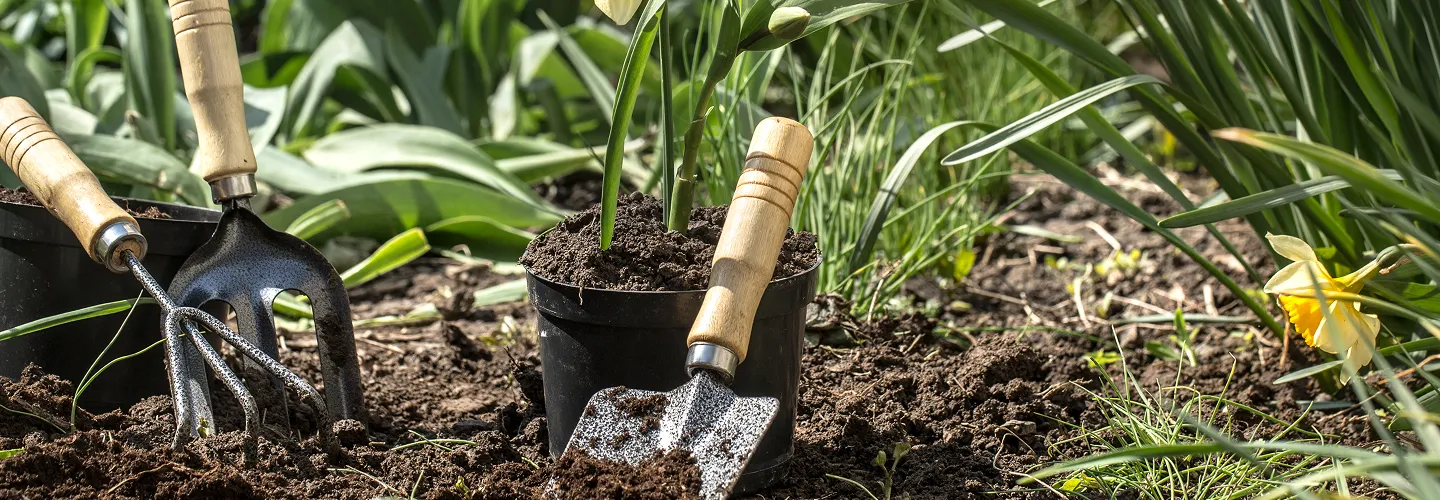
Hogansville Lawn Renovation Services
Choose our Lawn Renovation services for a lush, healthy yard—our experienced team uses proven techniques and premium materials to restore your lawn’s beauty and boost your home’s curb appeal.
Get a Free QuoteOur Hogansville Landscaping & Yard Care Services
When to Schedule Lawn Renovation in Hogansville, Georgia – Seasonal Guide
Timing your lawn renovation in Hogansville is crucial for achieving a lush, healthy yard that thrives year-round. The best periods for renovation are typically early fall and late spring, when soil temperatures are optimal for seed germination and root development. Hogansville’s climate, characterized by warm, humid summers and mild winters, means that late September through October is ideal for cool-season grasses, while late April to early May works well for warm-season varieties.
Local factors such as the proximity to Yellow Jacket Creek, the shaded lots in the Callaway Road area, and the clay-heavy soils common in neighborhoods near Hogansville Elementary all play a role in determining the right renovation window. Homeowners should also consider the region’s average last frost date in early April and the potential for summer droughts, which can impact both seeding success and long-term turf health. For more information on local environmental guidelines, visit the Sudbury municipal resource.
Local Factors to Consider for Lawn Renovation in Hogansville
- Tree density and shade coverage, especially in established neighborhoods like Lake Jimmy Jackson
- Soil composition, with many areas featuring compacted clay or sandy loam
- Seasonal precipitation patterns and risk of summer drought
- Terrain slope and drainage, particularly in hilly sections near Main Street
- Municipal watering restrictions or ordinances
- Proximity to natural water sources, which can affect soil moisture levels
Benefits of Lawn Renovation in Hogansville
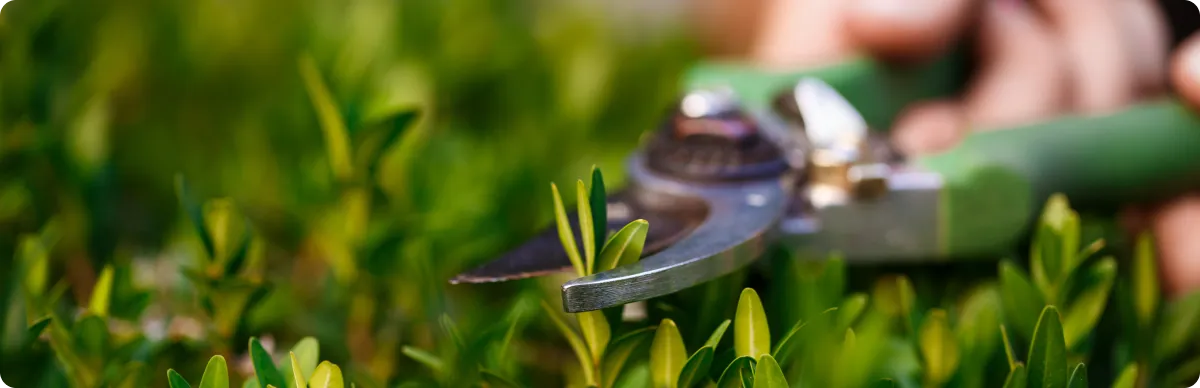
Enhanced Curb Appeal
Improved Soil Health
Weed and Pest Reduction
Thicker, Greener Grass
Increased Property Value
Customized Lawn Solutions
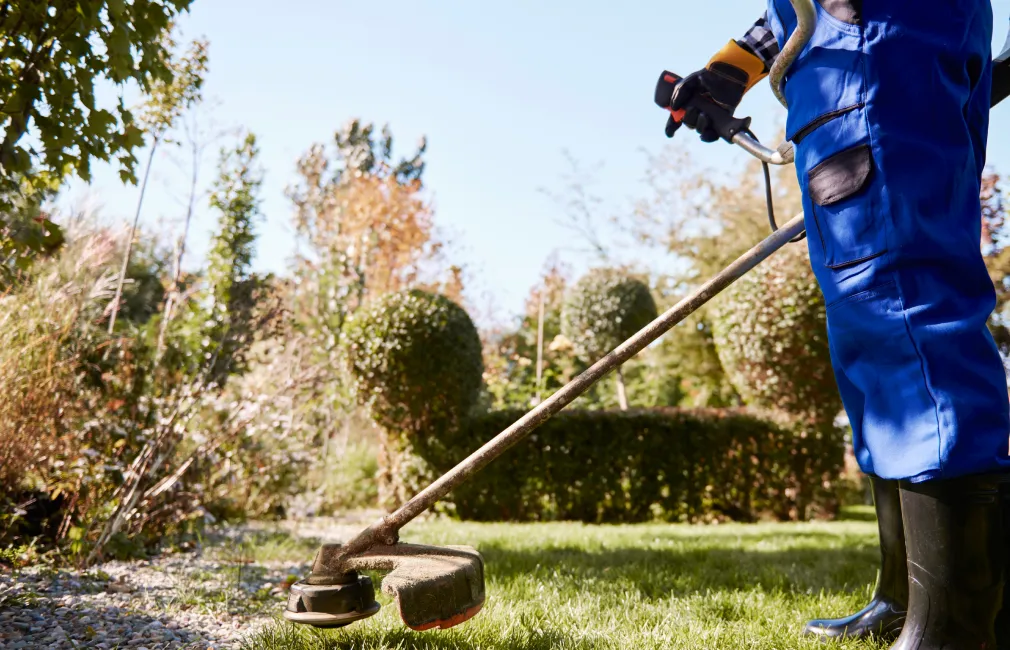
Hogansville Lawn Renovation Types

Sod Installation
-
Overseeding Services
-
Soil Aeration
-
Weed Removal and Control
-
Topdressing Lawns
-
Grading and Leveling
-
Dethatching
Our Lawn Renovation Process
Site Evaluation
Soil Preparation
Seeding or Sod Installation
Watering and Fertilization
Ongoing Maintenance
Why Choose Hogansville Landscape Services
-
Hogansville Homeowners Trust Us
-
Expert Lawn Maintenance
-
Reliable Scheduling
-
Competitive Pricing
-
Professional Team
-
Satisfaction Guarantee
-
Personalized Service
Hogansville's Piedmont Red Clay Soils and Their Impact on Lawn Renovation Success
Hogansville sits within Georgia's Piedmont physiographic region in USDA Hardiness Zone 8a, where Cecil and Pacolet soil series dominate the landscape. These soils are characterized by heavy red clay subsoils with low organic matter content, acidic pH levels typically ranging from 4.8 to 5.5, and poor internal drainage when compacted. Successful lawn renovation in Hogansville requires addressing these conditions before any seeding or sodding takes place. Property owners should consider the following site preparation steps:
- Conduct a soil test through the UGA Cooperative Extension Troup County office to determine pH, phosphorus, and potassium levels
- Apply pelletized lime at rates guided by soil test results, often 40–50 pounds per 1,000 square feet for severely acidic clay
- Core aerate compacted areas to a depth of 2.5–3 inches to improve water infiltration and root penetration
- Incorporate 1–2 inches of composted organic matter into the top soil layer to improve structure
Residents can verify their specific soil series using the USDA Web Soil Survey, which provides parcel-level data for properties within Troup County.
Optimal Lawn Renovation Timing for Hogansville's Warm-Season Growing Period
Timing is one of the most critical factors in lawn renovation outcomes in Hogansville. The city's long warm season—typically extending from mid-April through mid-October—favors warm-season turfgrasses, but renovation work must align with specific growth windows to ensure establishment. The National Weather Service Peachtree City forecast office provides localized data relevant to Troup County scheduling. Key timing guidelines include:
- Bermudagrass sodding or sprigging: Late April through July, when soil temperatures consistently exceed 65°F at a 4-inch depth
- Zoysiagrass sod installation: May through mid-August for optimal root establishment before fall dormancy
- Tall fescue overseeding (for shaded or transitional areas): Mid-September through mid-October, when daytime highs drop below 85°F
- Core aeration and topdressing: Late April through June for warm-season turf; September for fescue areas
Avoid renovation during Hogansville's peak summer heat in July and August unless irrigation is reliably available, as newly installed sod or seed requires consistent moisture during the first 14–21 days of establishment. Drought conditions, which periodically affect the Chattahoochee River basin, may trigger water conservation advisories through Georgia EPD Water Conservation that could restrict irrigation schedules.
Navigating Hogansville's Code Enforcement and Zoning Requirements for Renovation Projects
Lawn renovation projects in Hogansville may intersect with municipal code enforcement and zoning provisions, particularly when work involves grading, soil importation, or changes to drainage patterns on a property. The City of Hogansville Code Enforcement office monitors property maintenance standards, including requirements related to overgrown vegetation, bare or eroded lots, and debris accumulation that may accompany renovation activity. Property owners undertaking significant renovation should be aware of the following:
- Grading or regrading that alters stormwater flow toward adjacent properties or public rights-of-way may require review through the city's planning process
- Imported topsoil or fill material should not obstruct drainage ditches, culverts, or stormwater conveyances maintained by Troup County Roads and Engineering
- Renovation debris, including removed sod, dead turf, or soil amendments packaging, must not be placed in public rights-of-way without verifying current disposal protocols
- Properties within Hogansville's zoning districts should confirm that any associated hardscape or landscape structural changes comply with setback and lot coverage requirements
Verify current requirements with the City of Hogansville Planning and Zoning office before beginning large-scale renovation work.
City of Hogansville Planning and Zoning
200 E Main Street, Hogansville, GA 30230
Phone: (706) 637-8629
Official Website: City of Hogansville Planning and Zoning
Hogansville Code Enforcement
200 E Main Street, Hogansville, GA 30230
Phone: (706) 637-8629
Official Website: Hogansville Code Enforcement
Protecting Yellow Jacket Creek and Local Drainage Corridors During Lawn Renovation
Hogansville's landscape is shaped by Yellow Jacket Creek and its tributaries, which flow through and adjacent to residential areas within the city limits. Lawn renovation activities—particularly those involving soil disturbance, fertilizer application, and herbicide use—carry the potential to introduce sediment and chemical runoff into these waterways. The Georgia EPD Watershed Protection Branch oversees water quality standards that apply to all land-disturbing activities statewide, and property owners should take the following precautions:
- Maintain a minimum 25-foot undisturbed vegetative buffer from the top of creek banks when tilling, grading, or applying amendments
- Install silt fencing or straw wattle barriers on sloped lots where exposed soil could wash toward drainage ditches or storm inlets
- Apply starter fertilizer only at rates recommended by soil test results, and avoid application within 48 hours of forecasted rainfall exceeding 0.5 inches
- Use granular, slow-release fertilizer formulations rather than liquid concentrates near drainage corridors to reduce leaching risk
Any lawn renovation project disturbing more than one acre of land requires a Land Disturbance Permit under Georgia's Erosion and Sedimentation Act, administered through the Georgia EPD. Most residential renovations fall below this threshold, but property owners managing multiple adjacent lots should verify applicability.
Georgia Pesticide and Fertilizer Regulations Affecting Professional Lawn Renovation
Property owners in Hogansville who hire contractors for lawn renovation should verify that any professional applying pesticides or fertilizers holds appropriate credentials under Georgia law. The Georgia Pesticide Use and Application Act of 1976 requires commercial applicators to maintain a valid license issued through the Georgia Department of Agriculture. Key regulatory points include:
- Commercial pesticide applicators must pass category-specific examinations and maintain continuing education credits
- Pre-emergent herbicides commonly used during renovation to suppress crabgrass and goosegrass are classified as restricted-use in some formulations, requiring licensed application
- The Georgia Fertilizer Act of 1997 regulates labeling, registration, and nutrient content claims for all fertilizer products sold and applied in the state
- Soil amendments such as lime, gypsum, and compost are generally exempt from fertilizer registration but must still be applied according to soil test recommendations
Residents can verify a contractor's pesticide license status through the Georgia Department of Agriculture - Agricultural Pest Control program. Proper licensing protects both the property owner and the surrounding environment, particularly in areas near Yellow Jacket Creek and Hogansville's municipal stormwater infrastructure.
What Neighborhoods Do We Serve Throughout Hogansville, GA?
- Downtown Hogansville / East Main Street Corridor: Older residential lots with mature hardwoods, compacted clay soils from decades of use, and smaller yard footprints that require precise renovation techniques. Properties near the historic commercial district may have limited equipment access due to narrow driveways and sidewalk proximity.
- Royal Oaks: A residential subdivision featuring established warm-season turf on Piedmont clay soils. Lot grading and drainage patterns vary, and some properties experience standing water in low areas following heavy rainfall events.
- Pine Street / South Hogansville: Residential properties with mixed sun and shade conditions created by mature pine and oak canopy. Turf thinning from shade competition and acidic needle drop is a common renovation driver in this area.
- Yellow Jacket Creek Vicinity: Properties adjacent to or near Yellow Jacket Creek face elevated runoff and erosion concerns. Lawn renovation in these areas requires sediment control measures and careful fertilizer management to protect water quality.
- Highway 29 / LaGrange Street Corridor: Lots along this corridor tend toward larger frontages with full sun exposure, favoring bermudagrass renovation. Road proximity requires attention to right-of-way boundaries and debris containment during renovation work.
- Hogansville Parks and Recreation Areas: Residential properties bordering city park land managed by Hogansville Parks and Recreation should coordinate renovation timing to avoid conflicts with public use areas and maintain consistent turf transitions along shared boundaries.